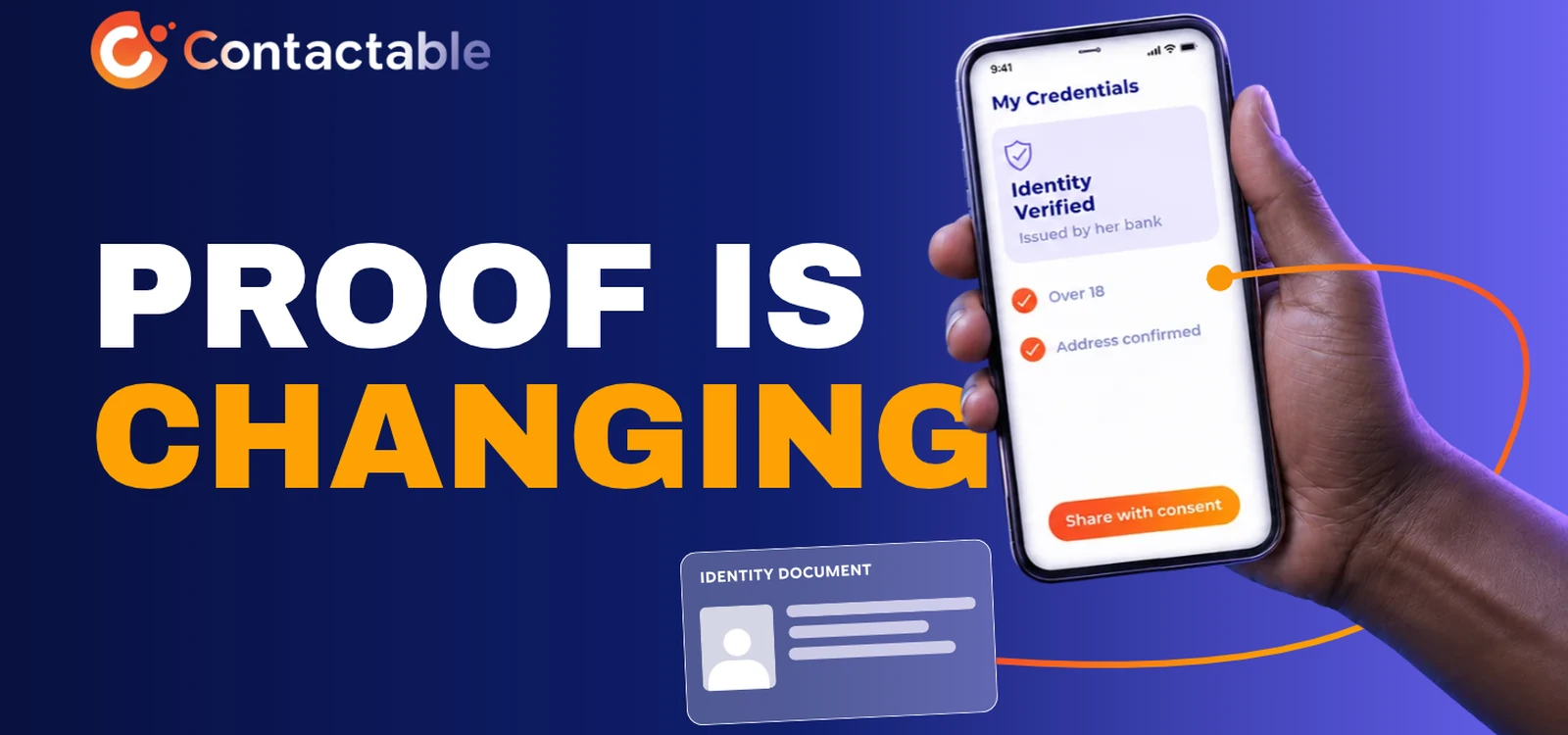
The easy prediction for 2027 is more sophisticated fraud. It’s also the least useful. The bigger change is in what counts as proof of identity.
For decades, a copy of an ID was enough. In 2027, it stops being enough, and the businesses that adapt first will onboard customers faster and with less risk.
1. Fraudsters stop faking IDs. They start editing real ones
Some of the most convincing fraud in 2027 will start with a genuine ID document. AI changes one detail, such as the ID number, and leaves the rest intact. Entrust’s 2027 Identity Fraud Report found overall ID fraud fell 19% in 2026 as basic fakes stopped working, while sophisticated ID fraud grew nearly 20 times.
A visual review won’t catch the edit. Neither will a liveness check on its own: proving someone is live doesn’t prove their document is genuine. The real test is how it was captured and whether its details belong to the person presenting it.
Get it wrong and you either approve fraud or reject a genuine customer. Both damage growth.
2. SIM verification is moving down the chain. So is the risk
Car dealers have seen this before: in 2022, those selling high-value goods went from reporting to accountable institutions under FICA.
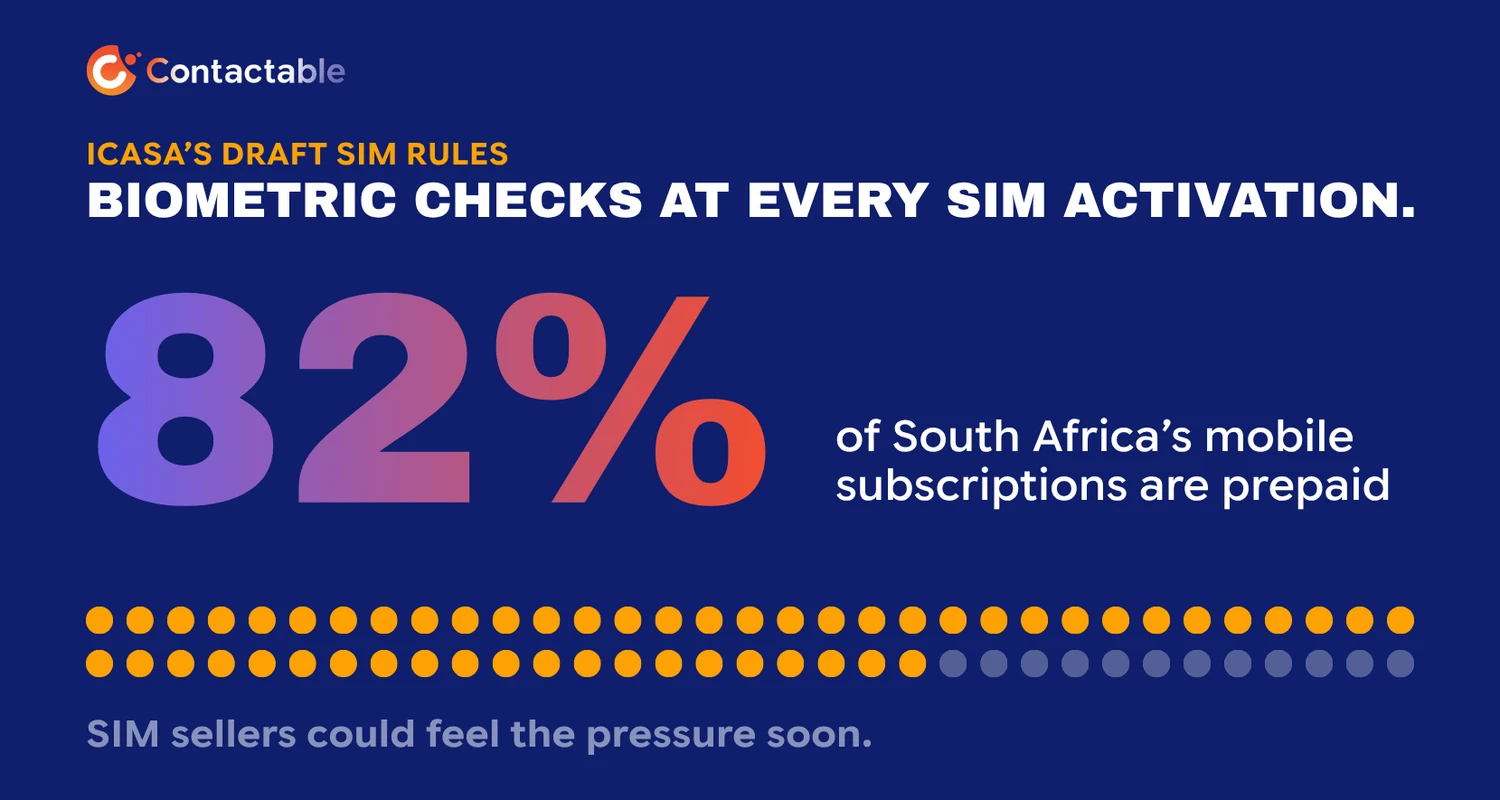
Icasa’s draft rules propose biometric checks, not just a copy of an ID, at every SIM activation, reactivation and swap, with fines of R2-million to R4-million per contravention for the most serious breaches. Those obligations would sit with the networks, but I expect the pressure to travel. Smaller distributors already run their own RICA checks. In 2027, networks will expect it of every partner selling their SIMs.
The question will shift from “was the customer checked?” to “can you prove who checked them, how and when?”
3. Payments, not policy, will make digital ID real
People don’t adopt technology. They adopt what it lets them do. For digital ID, that will be paying.
South Africa is set to let licensed non-banks connect directly to the national payments system, with the first expected to go live around March 2027, according to Reuters. Telcos, retailers and fintechs will chase customers banks struggled to reach. I expect identity credentials to follow, authorising the transaction itself.
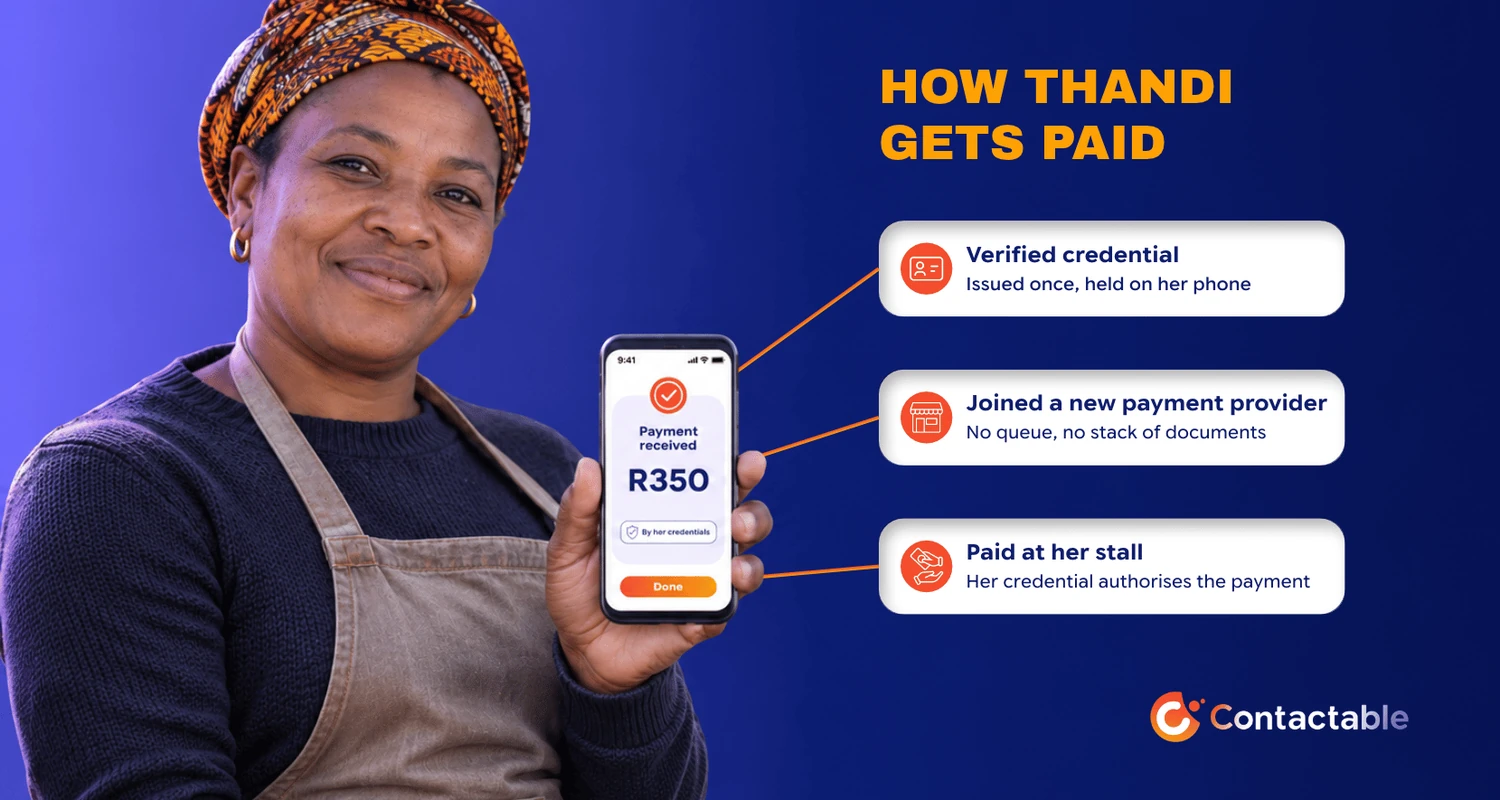
Picture an informal trader joining a new payment provider with a verified credential, instead of documents she may not have. That is where inclusive banking starts. It also makes digital ID an IT project, because most systems were built for documents.
4. You won’t need to hold customer data. You’ll verify it
Self-sovereign identity puts identity and consent in the customer’s hands. Regulated businesses will still keep the records the law requires. Instead of collecting a fresh copy of every document, they will verify proof the customer already holds.
The trade-off is less access to customer information. In return, customers face fewer repeat document requests and businesses have far less to store and protect. Full adoption will take years, but the design decisions start in 2027. Every unnecessary ID copy on a server is breach exposure the business chose to keep.
Wildcard: AI won’t get cheaper in 2027. It’ll get rationed
Prices per query may keep falling, but the bill won’t. Expect AI providers to consolidate and throttle usage as they recover their investments. Identity checks increasingly run on AI, so a provider reliant on a public model could pass those limits on as slower checks and higher costs.
Businesses will ask where their provider’s AI runs and what the fallback is when access is restricted. Local models and redundancy cost money. So does having no alternative.
In 2027, the ID document won’t disappear. It will just stop being the whole answer.
Contactable is Africa’s leading Integrated Identity Platform, helping enterprises turn trust into a growth advantage. Through a single integration, we unify identity, compliance and workflow across the customer journey, reducing complexity, strengthening assurance and enabling seamless digital experiences at scale.
Share this



Jason SheddenChief Operating Officer, Contactable